
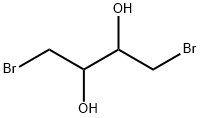
1,4-Dibromo-2,3-butanediol 110-63-4 BDO 14B
Chemical Name:1,4-Dibromo-2,3-butanediol CAS No:14396-65-7 CBNumber: CB1136461Molecular Formula:C4H8Br2O2 Formula Weight:247.91
View productQualification comes before the purchase order, so this reference gathers everything a buyer checks first — compound identity, lot handling, pack forms and dispatch options — and it begins with the CJC-1295 catalogue entry, a peptide material supplied by an active pharmaceutical ingredients supplier that also operates as a fine chemicals supplier for laboratory and industrial programs.
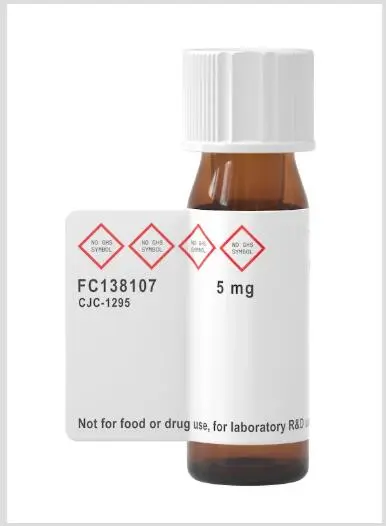
Product snapshot
The catalogue entry is titled CJC 1295 Peptide Synthetic Growth Hormone Releasing Peptide, with CJC1295 recorded as the chemical name and the material filed under the Peptide collection. Every field below is taken from that entry, so a buyer can compare the identifiers against a reference standard before making contact.
The entry publishes identity data rather than a self-serve download library, so the fastest route to a full document pack is a request that quotes the identifiers below.
| Field | Value on the page | What it settles before you commit |
|---|---|---|
| CAS No. | 863288-34-0 | Matches your internal reference entry |
| Chemical name | CJC1295 | Confirms the naming used on shipping records |
| Molecular formula | C152H252N44O42 | Cross-checks identity alongside the CAS number |
| Formula weight | 3367.89688 | Supports method and calculation set-up |
| Available forms | Acetate and no-DAC variants | Tells you the form must be named on the order |
| Vial sizes | 2 mg and 10 mg | Sets the pack size you quote in your RFQ |
| Listed category | Peptide / All Collections | Locates the entry in the catalogue structure |
What the entry does not publish: no numeric purity or assay figure and no storage temperature appear on the product page. Ask for those with your documentation request instead of assuming a value.
Documentation request matrix
Documents are supplied on request. That is normal for catalogue materials, and it means your request should be specific enough to be matched to the right batch the first time.
| Document | What it confirms | Status | How to request it |
|---|---|---|---|
| Certificate of analysis (COA) | Test results recorded against the batch supplied to you | On request | Send the CAS number and the lot reference shown on the vial label |
| Safety data sheet (SDS) | Handling, hazard and first-response information for the material | On request | Ask alongside your quote and state the destination country |
| Specification sheet | The recorded identity fields — CAS 863288-34-0, formula C152H252N44O42, formula weight 3367.89688 | On request | Name it as a required attachment in your RFQ |
| Batch / lot summary | How the batch reference on your consignment maps back to production and testing | On request | Quote the lot number from the vial label so the record can be traced |
| Origin statement | Dispatch origin and the paperwork that travels with the consignment | On request | State the destination so the routing you need can be confirmed |
Turnaround is confirmed when your request is acknowledged and depends on the variant, the batch and the destination on the inquiry — so list every document you need in a single message rather than sending them one at a time.
Batch & lot traceability
Traceability is not a claim on a page — it is a chain you can follow with the paperwork in your hand. Here is the chain, step by step.
The product page describes pharmaceutical-grade peptide API production under stringent quality controls, with purification and quality control systems applied to the output.
Each lot carries a reference that appears on the vial label and on the shipment records. That reference is what makes any later question answerable.
Lot testing is what sits behind the batch-to-batch consistency statement. The results themselves are what you request — ask for the COA and compare it to the lot you hold.
The lot reference travels with the shipment so that receipt, storage and any later query can all be tied to the same batch record.
Practical check on receipt: match the lot number on the vial against the batch summary before the material goes into storage. A mismatch is far cheaper to resolve on day one than in a later investigation.
Forms, packaging & storage
Most order queries on a variant-led catalogue come from one of two fields being left open: the form and the pack size. Both are published on the CJC-1295 entry, and both are worth fixing before you send anything.
The page lists CJC-1295 in acetate and no-DAC forms and states that the two differ in half-life and activity duration, addressing specific pharmacokinetic profiles. Because they are separate identities with their own synonym listings, a request that says only “CJC-1295” leaves the supplier to guess which line you need.
Listed as its own entry on the product page, with acetate named directly in the catalogue synonyms.
Listed separately as well, and described on the page as addressing a different pharmacokinetic profile from the acetate variant.
Storage and handling conditions are not published on the product page. Ask for them with your documentation request so the material is received into the right conditions on arrival.
A practical starting point for an evaluation order or a first method series where a small quantity is enough to confirm you have the right entry before committing to a larger line.
The larger listed pack, suited to programs that expect repeated handling of the same lot and would rather keep the batch reference unchanged across the work.
Packaging decision: request that the form name (acetate or no-DAC) and the lot reference appear on the label. Two variants of the same compound sitting in an untracked cold room is an avoidable error.
Scenario to specification
Different buyers need different fields confirmed first. Find your situation, then use the recorded value in your inquiry so the first reply is already specific.
Analytical laboratory
You are building an internal record and need the identifiers to agree before the material is ordered.
Check CAS 863288-34-0 against your reference, then request the specification sheet and COA in the same message.
Form comparison program
Your work needs the acetate form and the no-DAC form held separately rather than treated as interchangeable.
Order the acetate and no-DAC variants as two line items, each with its own form name on the label.
Pilot or repeat-use program
You expect repeated handling and want fewer batch changes across the work.
Specify the 10 mg vial and state your quantity and preferred lot continuity in the RFQ.
Quality and regulatory reviewer
Your process requires documentation review before a purchase is raised, and there is no public download library to browse.
Send one request covering COA, SDS, specification sheet, batch summary and origin statement for the batch you would receive.
Customs and receipt planning
You need to know where the consignment leaves from before you book receipt and storage arrangements.
Confirm dispatch from the United States and Canada overseas warehouses and ask which paperwork travels with the shipment.
Trading and distribution
You are evaluating the entry for resale or for a portfolio and need the naming to stay consistent end to end.
Use the listed catalogue names and synonyms when you raise the inquiry, so labelling and paperwork stay aligned.
Dispatch, warehouses & lead times
The product page states that all peptide products can be shipped from overseas warehouses in the United States and Canada, and that warehouse distribution is used to keep the supply chain stable and reduce lead times.
The lot reference ties the vial to the batch record, and the document set you requested travels with the consignment so the receiving site can complete its checks without a second request. Decide which documents the receiving site must hold before the goods land.
Confirm the warehouse region that serves your destination, the transit expectation for that route, and whether an origin statement is issued for the country you are importing into. These are normal commercial questions, and asking them early avoids a customs delay later.
Listed on the product page as one of the overseas warehouse regions used for peptide dispatch.
Listed alongside the United States as a dispatch region for peptide products.
Confirmed per destination and per quantity at quotation — include the destination site and required date in the RFQ so both can be answered together.
Request for quotation
A complete inquiry is answered faster than a short one. Include the fields below and the reply can carry the right form, pack size, documents and routing in a single pass.
Keep adjacent product options together for a faster catalog comparison.
Chemical Name:1,4-Dibromo-2,3-butanediol CAS No:14396-65-7 CBNumber: CB1136461Molecular Formula:C4H8Br2O2 Formula Weight:247.91
View product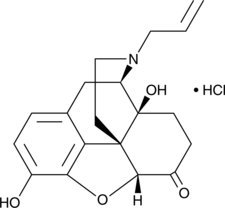
Usage 1: Antagonist of anesthetic analgesics, which can relieve respiratory depression and addiction caused by anesthetic analgesics. 2. Morphine antagonist, used for acute poisoning of morphine…
View product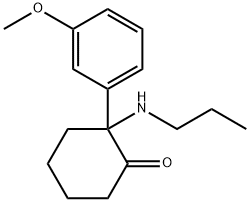
NameCyclohexanone, 2-(3-methoxyphenyl)-2-(propylamino)-CAS2504100-71-2Molecular FormulaC16H23NO2Molecular Weight261.36MOL File 2504100-71-2.molSynonyms Cyclohexanone…
View productthe catalogue entry is titled cjc 1295 peptide synthetic growth hormone releasing peptide, with cjc1295 recorded as the chemical name, cas number 863288-34-0, molecular formula c152h252n44o42 and formula weight 3367.89688, filed under the peptide collection.
the product page lists acetate and no-dac variants that differ in half-life and activity duration, supplied in 2 mg and 10 mg vials. name both the form and the pack size on your inquiry so the correct line is matched.
no numeric purity or assay figure and no storage temperature are stated on the product page. those details should be requested with your documentation, rather than assumed from the descriptive wording.
certificates of analysis, safety data sheets, specification sheets, batch or lot summaries and origin statements are supplied on request. quote the cas number and the lot reference from the vial label so the right batch record is retrieved.
the product page states that all peptide products can be shipped from overseas warehouses in the united states and canada. lead time is confirmed per destination and quantity at quotation, so include the receiving site and required date.
include the cas number, the required form, the pack size, your quantity and repeat frequency, the destination country and city, the documents you need, and your required delivery date. a single complete message can be answered in one pass.