Methyl Lysergate Workflow

Analytical Reference Workflow

Methyl Lysergate for Reference Material Workflows

For lab and procurement teams comparing d-lysergic acid methyl ester with methyl lysergic acid reference material, this page brings the naming, identifier, document and RFQ points into one review path.

CAS 4579-64-0Primary identifier
C17H18N2O2Molecular formula
CID 11414860Cataloging reference
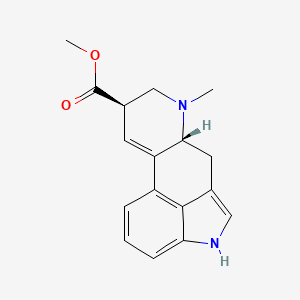
Methyl lysergate product image
Methyl lysergate | CAS 4579-64-0

Identifier Ledger

Keep the product identity consistent across records

Methyl lysergate decisions start with a clean identity set. Keeping the name, CAS, formula and synonym language together helps purchasing and lab teams avoid loose or mismatched requests.

Methyl lysergate reference product image
Product name Methyl lysergate
CAS number 4579-64-0
PubChem CID 11414860
Molecular formula C17H18N2O2
Molecular weight 282.34 g/mol
Synonym language Methyl lysergate, D-Lysergic acid methyl ester, Methyl D-lysergate and EINECS 224-964-9 are useful terms to keep aligned in request documents.
Procurement role Useful for analytical, R&D and quality-control discussions where methyl lysergic acid reference material wording needs a clear product identity.

Workflow Fit

Separate lab records, QC language and synthesis-request scope

The strongest use of this aggregate page is not a broad catalog pitch. It gives each buyer group a clean way to describe the same product without overstating grade, certification or application claims.

R&D Records

Keep naming stable in technical notes

When teams reference methyl lysergate in project documents, the product name should sit beside its CAS, formula and synonym language so records remain easy to reconcile.

  • Use one naming convention per request.
  • Keep CAS and formula with the product name.
  • Avoid mixing nearby derivative names without context.
Analytical QC

Frame the material role without certified claims

Analytical teams can describe the intended documentation role clearly while waiting for the supplier to confirm grade, supporting files and order-specific details.

  • State the intended comparison or method context.
  • Ask which documents can be provided.
  • Do not assume certificate status before confirmation.
Custom Scope

Make custom-synthesis conversations precise

For derivative discussions, a concise request should name the target, quantity range, documentation expectations and destination before commercial terms are reviewed.

  • Separate identity, quantity and document needs.
  • Keep the request within procurement language.
  • Confirm feasibility through JXSD before planning.

Related Lysergic Products

Review nearby catalog entries before finalizing the inquiry

These two product pages stay close to the lysergic and ergoline naming space, so they are more useful than a broad research-chemical directory when buyers are checking identifiers.

Decision Reading

Use the article set to tighten records and requests

The three reading paths support different parts of the same buying decision: internal records, analytical wording and custom-synthesis request scope.

Intermediate language for R&D and QC records

Clarify how methyl lysergate can be named in technical records without turning the page into a product-use instruction.

Read the record-language note

Reference-material workflow wording for labs

Keep reference-material language, certificate expectations and analytical workflow notes separate until order-specific documents are confirmed.

Read the lab workflow note

Custom synthesis request framing

Build a tighter request by naming the target, quantity, documentation expectations and destination before supplier evaluation begins.

Read the request-scope note

RFQ Preparation

Send a concise identity-first inquiry

A strong request does not need unsupported claims. It should be narrow enough for JXSD to confirm availability, order documents and next steps around the exact material.

  • Product identity: Methyl lysergate, CAS 4579-64-0, CID 11414860 and key synonym language.
  • Quantity and destination: State the requested amount range and shipping country or region.
  • Documentation needs: Ask which grade, batch, test or support documents can be provided for the order.
  • Lab context: Describe whether the request supports analytical comparison, QC documentation or R&D record alignment.
  • Contact channel: Include email, phone or messaging details so JXSD can follow up without ambiguity.

FAQ

Methyl lysergate sourcing questions

What is Methyl lysergate in this workflow context?

It is presented as a D-lysergic acid methyl ester related product for analytical, R&D and quality-control documentation workflows around methyl lysergic acid reference material procurement.

Which identifiers should be kept together when requesting a quote?

Keep the product name Methyl lysergate, CAS 4579-64-0, PubChem CID 11414860, molecular formula C17H18N2O2 and molecular weight 282.34 g/mol in the same request.

Does this page claim certified reference material status?

No. Treat the wording as supplier-product and workflow framing unless JXSD separately provides certificate, grade and documentation details for the requested order.

What should an analytical lab clarify before sourcing?

Clarify the target identity, intended documentation role, quantity, destination, required supporting documents and contact details for follow-up.

How do the related products help procurement teams?

They give buyers nearby lysergic or ergoline catalog entries to compare naming and identifiers before finalizing an inquiry.

Where should buyers start the conversation?

Use the JXSD Contact Us page or the product page inquiry path and include the identifier ledger with the request.