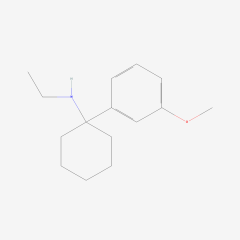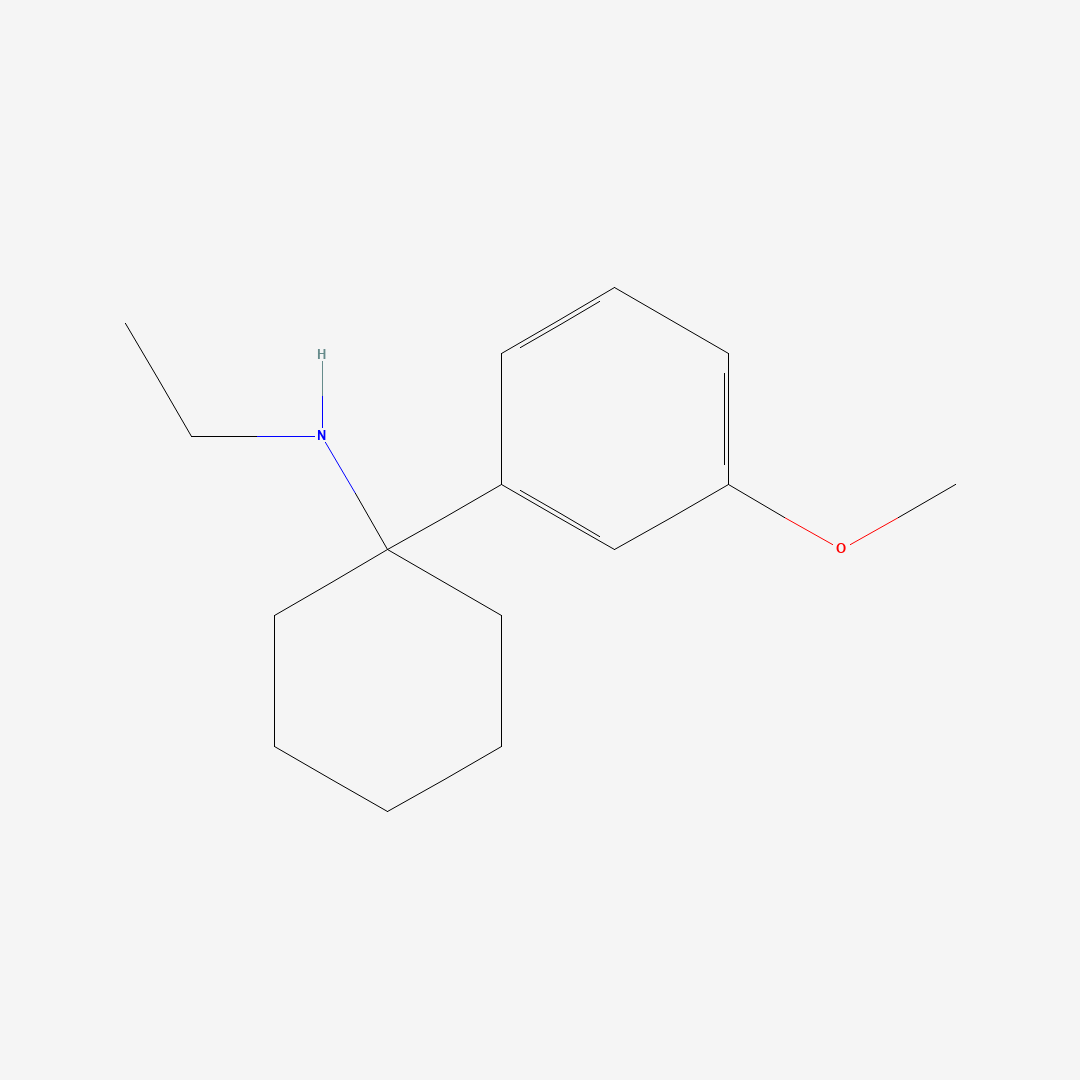
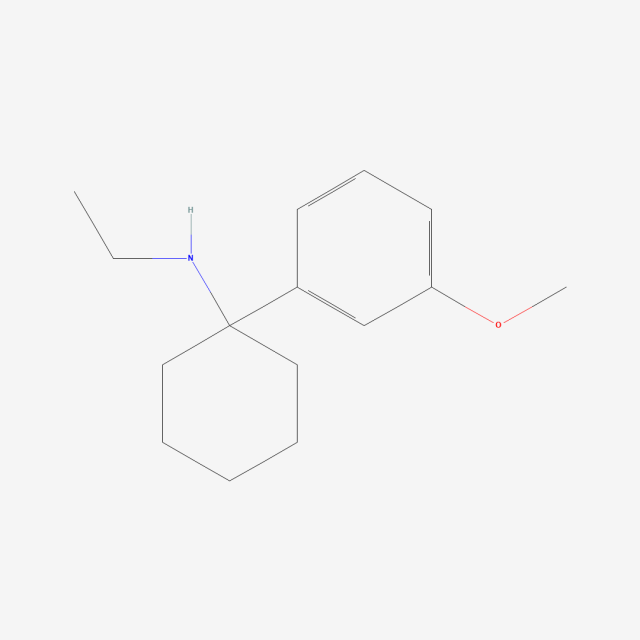
N-Ethyl-1-(3-methoxyphenyl)cyclohexanamine is a glutamate NMDA receptor ligand supplied as a research compound for licensed laboratories. Its CAS number is 1364933-80-1, its molecular formula is C₁₅H₂₃NO, and its molecular weight is 233.35 g/mol. The public chemical record describes it as a glutamate NMDA receptor ligand, with structural data reported in the primary literature. Licensed laboratories use it for identity work, analytical method development and in vitro receptor research; it is not intended for human or animal use. We supply it with the identifier set, computed properties and spectral references needed to qualify a lot before it enters the laboratory. Buyers who require this compound for regulated research should confirm local licensing and import requirements before ordering.
| Identifier | Value |
| IUPAC name | N-ethyl-1-(3-methoxyphenyl)cyclohexan-1-amine |
| InChI | InChI=1S/C15H23NO/c1-3-16-15(10-5-4-6-11-15)13-8-7-9-14(12-13)17-2/h7-9,12,16H,3-6,10-11H2,1-2H3 |
| InChIKey | OFGOOZLOGUNDFS-UHFFFAOYSA-N |
| SMILES | CCNC1(CCCCC1)C2=CC(=CC=C2)OC |
| Molecular formula | C₁₅H₂₃NO |
| CAS | 1364933-80-1 (record name: N-Ethyl-1-(3-methoxyphenyl)cyclohexanamine) |
| UNII | PX6CYK914H (GSRS record name: N-ETHYL-1-(3-METHOXYPHENYL)CYCLOHEXANAMINE) |
| DSStox Substance ID | DTXSID701032419 |
| Wikidata | Q20707021 |
| Wikipedia | 3-MeO-PCE |
| MeSH ID | M0587826 |
| PubChem record dates | Created 2012-08-08; modified 2025-12-27 |
| Catalogue reference | 57461569 |
| Descriptor source | PubChem release 2025.04.14; IUPAC name by Lexichem TK 2.7.0; InChI by InChI 1.07.2; SMILES by OEChem 2.3.0 |
| Property Name | Property Value | Reference |
| Molecular Weight | 233.35 g/mol | Computed by PubChem 2.2 (PubChem release 2025.04.14) |
| XLogP3-AA | 3.2 | Computed by XLogP3 3.0 (PubChem release 2025.04.14) |
| Hydrogen Bond Donor Count | 1 | Computed by Cactvs 3.4.8.18 (PubChem release 2025.04.14) |
| Hydrogen Bond Acceptor Count | 2 | Computed by Cactvs 3.4.8.18 (PubChem release 2025.04.14) |
| Rotatable Bond Count | 4 | Computed by Cactvs 3.4.8.18 (PubChem release 2025.04.14) |
| Exact Mass | 233.177964357 Da | Computed by PubChem 2.2 (PubChem release 2025.04.14) |
| Monoisotopic Mass | 233.177964357 Da | Computed by PubChem 2.2 (PubChem release 2025.04.14) |
| Topological Polar Surface Area | 21.3 Ų | Computed by Cactvs 3.4.8.18 (PubChem release 2025.04.14) |
| Heavy Atom Count | 17 | Computed by PubChem |
| Formal Charge | 0 | Computed by PubChem |
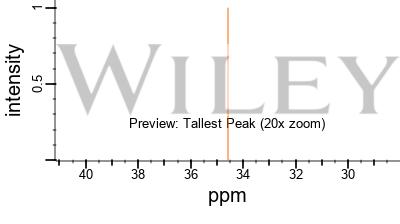
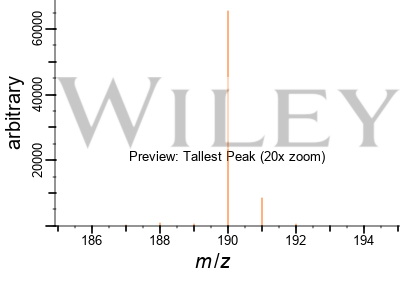
Reference spectra for this compound are indexed through SpectraBase. The 1D NMR entry is a 13C NMR spectrum published by Wiley under the record name 3-Methoxy pce; it gives a reference trace for carbon-environment comparison during identity work. The mass spectrometry entry is a GC-MS spectrum from Digilab GmbH, also published through SpectraBase under the record name 3-Methoxy PCE. The spectral records are useful for laboratory chemicals method development, qualitative comparison and checking retention behaviour against a public reference. They are not lot-specific release data: for a shipment, use the certificate of analysis and the lot record supplied with the material. If your method uses a different ionisation mode, column or temperature programme, confirm the comparison with your analytical team before treating the reference as a match. The spectral records are third-party publications; review their usage terms before redistributing them outside your laboratory.
| Property Name | Property Value | Reference |
| Complexity | 223 | Computed by Cactvs 3.4.8.18 (PubChem release 2025.04.14) |
| Isotope Atom Count | 0 | Computed by PubChem |
| Defined Atom Stereocenter Count | 0 | Computed by PubChem |
| Undefined Atom Stereocenter Count | 0 | Computed by PubChem |
| Defined Bond Stereocenter Count | 0 | Computed by PubChem |
| Undefined Bond Stereocenter Count | 0 | Computed by PubChem |
| Covalently-Bonded Unit Count | 1 | Computed by PubChem |
| Compound Is Canonicalized | Yes | Computed by PubChem (release 2025.04.14) |
This compound is supplied for laboratory research, analytical method development and reference-standard preparation. It is not for human or animal therapeutic use, and it is not offered for food, cosmetic, household or consumer use. Legal status varies by country and region: some destinations treat this compound as a controlled substance or as a structurally related analogue, so the buyer must confirm the applicable rules and hold any licence or permit needed before the material is shipped. As research chemicals suppliers, we review the destination, the end-use statement and the purchaser’s credentials before accepting an order, and we may decline a request that cannot be supported by the required paperwork. We do not advise on chemical conversion, dosing or any human use. If your institution requires a compliance review before purchase, include that requirement in your enquiry so the documentation set can be checked in advance.
Store the material according to the lot-specific safety data sheet and storage recommendation; the public record does not set a single storage temperature for every pack, so confirm the recommendation for the lot you receive. Keep the container sealed, upright and protected from light and moisture, and hold it in a segregated, access-controlled area away from incompatible materials. On receipt, check the label, lot number, pack size and outer condition before the container enters the laboratory; if anything is damaged or inconsistent, quarantine it and contact your sales representative. The public record does not state a purity or assay value, so confirm the lot specification on the certificate of analysis before releasing material to testing. The documentation set should include a certificate of analysis, safety data sheet and packing list, with the lot number linking the pack to the analytical record. Buyers who audit a fine chemicals manufacturer will also want the identity data, storage note and any spectral reference used for comparison filed with the lot record. Public spectral records are references, not lot-release results, so keep the certificate of analysis as the release document.
Quality is the foundation of how we work. As a specialized enterprise serving the chemical and pharmaceutical sectors, we apply staged in-process checks and a final inspection against the agreed specification before packing, and we retain samples for reference. If you prefer an independent check, we are glad to coordinate with the third-party inspection agency you appoint. Shipments travel with their certificate of analysis, packing list and safety data sheet; any item that falls short of specification is investigated, then replaced or credited. Our team supports buyers across Europe, the Americas, Australia and Japan.
Match the label and certificate of analysis to CAS 1364933-80-1, molecular formula C15H23NO and InChIKey OFGOOZLOGUNDFS-UHFFFAOYSA-N. The certificate should carry the lot number and the specification used for release. If you need a spectral comparison as well, compare the lot data with the public 13C NMR and GC-MS reference records.
Yes — 3-Methoxyeticyclidine and N-ethyl-1-(3-methoxyphenyl)cyclohexanamine name the same molecule. The first is a literature shorthand assembled from the 3-methoxy substitution and the eticyclidine backbone; the second is the systematic name that spells out the cyclohexanamine core, the N-ethyl group and the position of the methoxy ring substituent. Both forms turn up across supplier catalogues, spectral libraries and journal articles, so treat a label carrying either as the same substance once the identifiers agree with the identity details published with the product.
For your buying file, a few practical points are worth building into your routine. Check that the certificate of analysis and specification sheet name the material consistently with the identifier set you were sent; if a quotation or pack label uses only the shorthand 3-MeO-PCE, ask the supplier to add the systematic name alongside it so the paperwork links cleanly. Keep the short form in your internal search index and the systematic form in regulatory and customs documentation, since authorities work from standardised descriptions rather than colloquial ones. When you search the literature for analytical methods or in vitro data, run both names together with the registry identifier — older papers often predate everyday use of the shorthand.
Analytical chemists should note that the abbreviated form is written with varying capitalisation, hyphenation and spacing, so a partial-fragment text search is more reliable than an exact-match query. If you maintain an internal substance register, record both names as aliases of a single entry rather than as two separate materials; duplicate entries are a common cause of double ordering and mismatched certificates during goods-in checking. Where a method or dossier must cite one convention only, confirm with your regulatory affairs contact which naming style it expects before the order is placed, and tell us which name your quality system requires on the accompanying documentation so it is issued in the form you can file without amendment.
The public record describes it as a glutamate NMDA receptor ligand, and licensed laboratories may use it in in vitro receptor-binding or pharmacological research. It is not for human or animal use, and we do not supply dosing or clinical guidance.
A 13C NMR reference spectrum and a GC-MS reference spectrum are published through SpectraBase. Laboratories and research chemicals suppliers use them for qualitative comparison and method set-up, then rely on the certificate of analysis for lot release.
Follow the lot-specific safety data sheet and storage recommendation. Until that arrives, keep the container sealed, upright and protected from light and moisture, in a segregated, access-controlled area. Do not assume a single storage temperature applies to every pack size.
A certificate of analysis, safety data sheet and packing list should accompany the lot, with the lot number linking the pack to the analytical record. Our fine chemicals manufacturer documentation can also include the identity data and storage note for your quality file; confirm any additional document you need at enquiry.