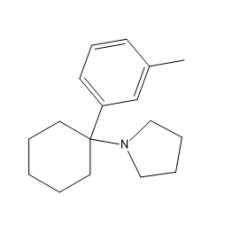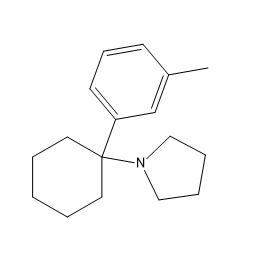
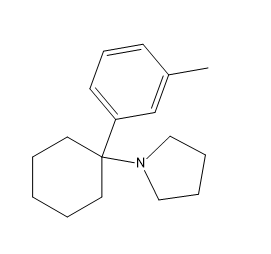
This product is a synthetic arylcyclohexylamine and pyrrolidine laboratory research chemical identified by CAS 1622348-63-3 and the chemical name 1-[1-(3-methylphenyl)cyclohexyl]pyrrolidine. It is supplied as a 98% min by HPLC lot for qualified laboratories and specialist research chemicals suppliers that need a defined chemical identity for method development, instrument suitability checks and analytical reference work. Each lot is identified by catalog APC-1643, so the material can be filed against a single internal code from receipt through disposal. It is not a pharmaceutical, food, cosmetic or consumer product, and it is not intended for human or animal use. Laboratories typically weigh small portions under their own SOPs, use appropriate personal protective equipment, and keep the stock container closed between transfers. If your method requires a specific form, concentration or solvent system, confirm those details with our team before ordering so the lot matches the way you will handle it.
| Product name | 3-Methyl-pcpy |
| Catalog number | APC-1643 |
| CAS number | 1622348-63-3 |
| Chemical name | 1-[1-(3-methylphenyl)cyclohexyl]pyrrolidine |
| Molecular formula | C17H25N |
| Molecular weight | 243.4 g/mol |
| Assay | 98% min |
| Analytical method | HPLC |
| Product type | Arylcyclohexylamine / pyrrolidine research chemical |
| Physical form | Solid |
| Available pack sizes | 10 mg, 20 mg, 50 mg, 100 mg, 500 mg, 1 g, 5 g, 10 g |
| Availability | In stock |
Treat this product under the same research chemicals rules you apply to other reference substances. Weigh and sub-sample in a controlled area with gloves, eye protection and appropriate ventilation, and avoid generating dust or aerosols when transferring the solid. Keep the original container tightly closed between uses, protect it from light and moisture, and store it at the temperature printed on the lot label; if your SOP requires a specific storage temperature or desiccant, confirm that with us before the order is packed. Use clean, dry tools for each portion and never return unused material to the stock container, because that is the usual route to cross-contamination. Label any working aliquot with the product identity, lot number, date and your internal owner, and keep it in secondary containment. If a pack is damaged in transit, photograph the outer packaging before opening and contact us so the lot can be assessed without spreading material. Dispose of waste and empty packaging through your licensed chemical waste route, not through general refuse.
Fine chemicals manufacturers and licensed analytical laboratories source research chemicals of this type where a defined arylcyclohexylamine and pyrrolidine identity is needed for analytical work. In method development, it serves as a characterised material for checking retention time, peak shape and detector response before a method is applied to unknown samples. In identity confirmation, the CAS number, chemical name and molecular formula give the analyst a fixed set of identifiers to compare against spectra or chromatograms. For system suitability runs, a small weighed portion allows the instrument to be challenged with a known substance rather than an uncharacterised sample. In training and proficiency exercises, senior analysts can use it to demonstrate weighing, dilution and record-keeping steps under supervision. Licensed forensic and toxicology teams may hold it as a reference material within their approved protocols, subject to local chain-of-custody rules. It is not intended for clinical dosing, human or animal exposure, or consumer use.
Quality is the foundation of how we work. As a specialized enterprise serving the chemical and pharmaceutical sectors, we apply staged in-process checks and a final inspection against the agreed specification before packing, and we retain samples for reference. If you prefer an independent check, we are glad to coordinate with the third-party inspection agency you appoint. Shipments travel with their certificate of analysis, packing list and safety data sheet; any item that falls short of specification is investigated, then replaced or credited. Our team supports buyers across Europe, the Americas, Australia and Japan.
The CAS number is 1622348-63-3 and the chemical name is 1-[1-(3-methylphenyl)cyclohexyl]pyrrolidine. The molecular formula is C17H25N and the molecular weight is 243.4 g/mol, so you can match the material against your internal identifier before ordering.
It means each lot is released against a minimum assay of 98% using HPLC as the stated method. Your laboratory should still run its own identity and suitability checks, because the release assay is a supplier specification, not a substitute for your method validation.
Treat it under your laboratory chemicals storage rules: keep the container tightly closed, protected from light and moisture, and store it at the temperature shown on the lot label. Weigh portions in a controlled area with appropriate PPE, use clean dry tools, and do not return unused material to the stock container. If your SOP calls for a specific storage temperature or desiccant, confirm it with us before ordering.
No. It is supplied for laboratory research and analytical work only. It is not a medicine, food, cosmetic or household product, and it must not be used for human or animal dosing. Buyers who source from research chemicals suppliers must still confirm that they can lawfully hold and use it in their own jurisdiction.
Yes, qualified laboratories use it as a characterised material for method development, identity confirmation and system suitability work. Match the CAS number, chemical name and assay to your method requirements first, and keep it within your approved chain-of-custody and storage procedures.
Compare the 98% min HPLC specification, CAS number and chemical name with your method's acceptance criteria. Fine chemicals manufacturers may list similar compounds under different trade names, so the CAS number is the reliable match. If your method requires a different assay, form or solvent system, contact us before ordering so we can confirm whether this lot is suitable.